Wholesome Harvest | The Next Generation
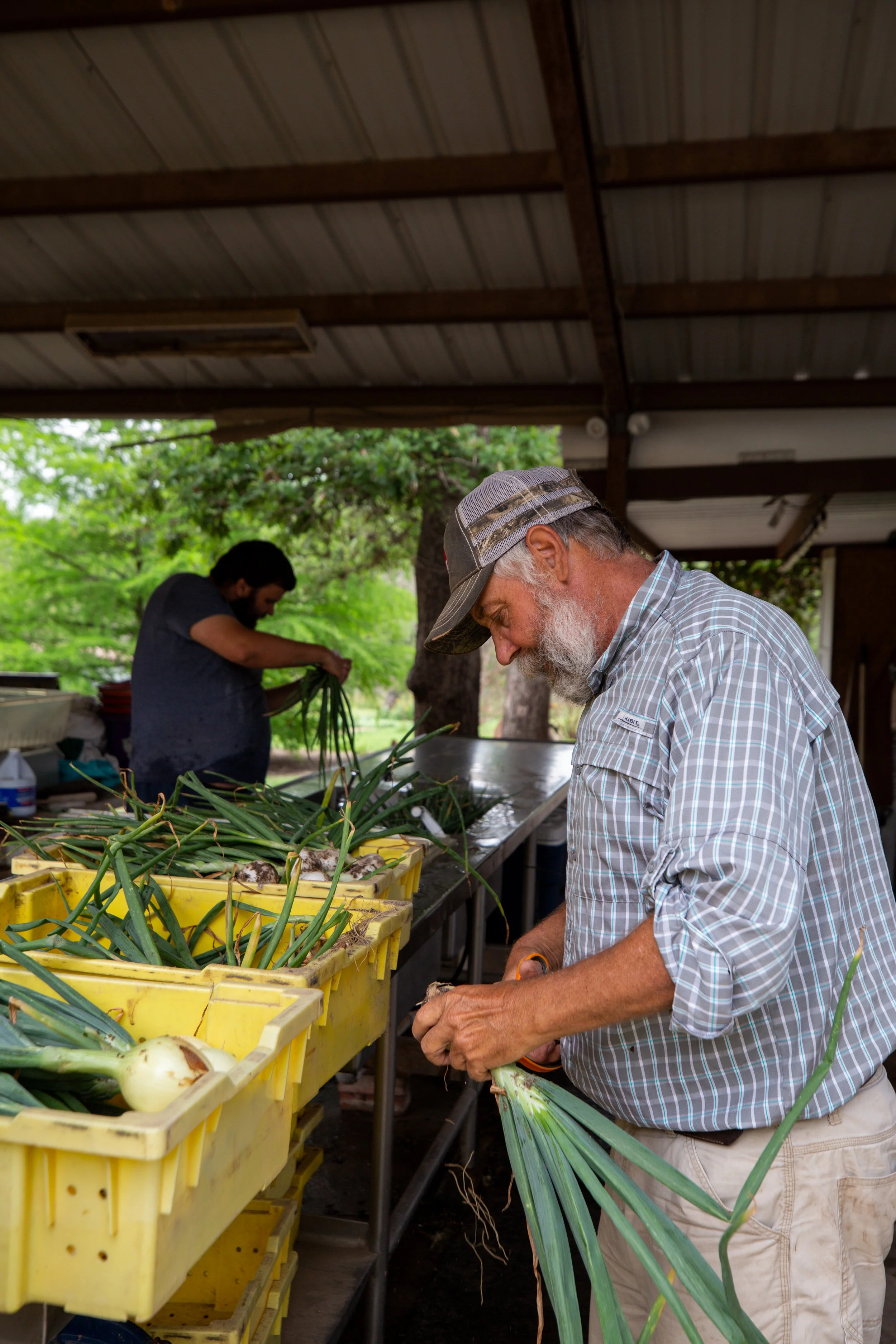
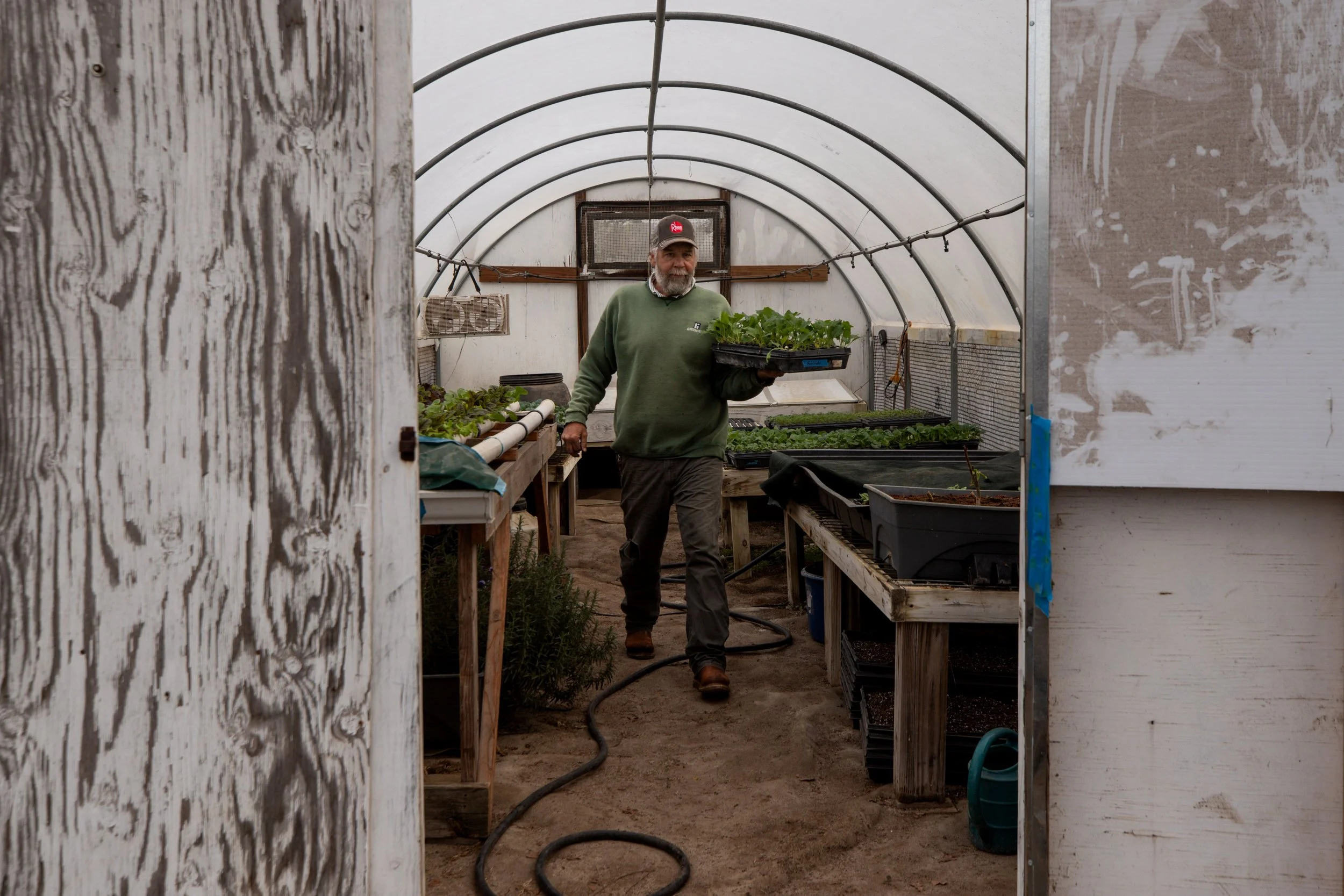
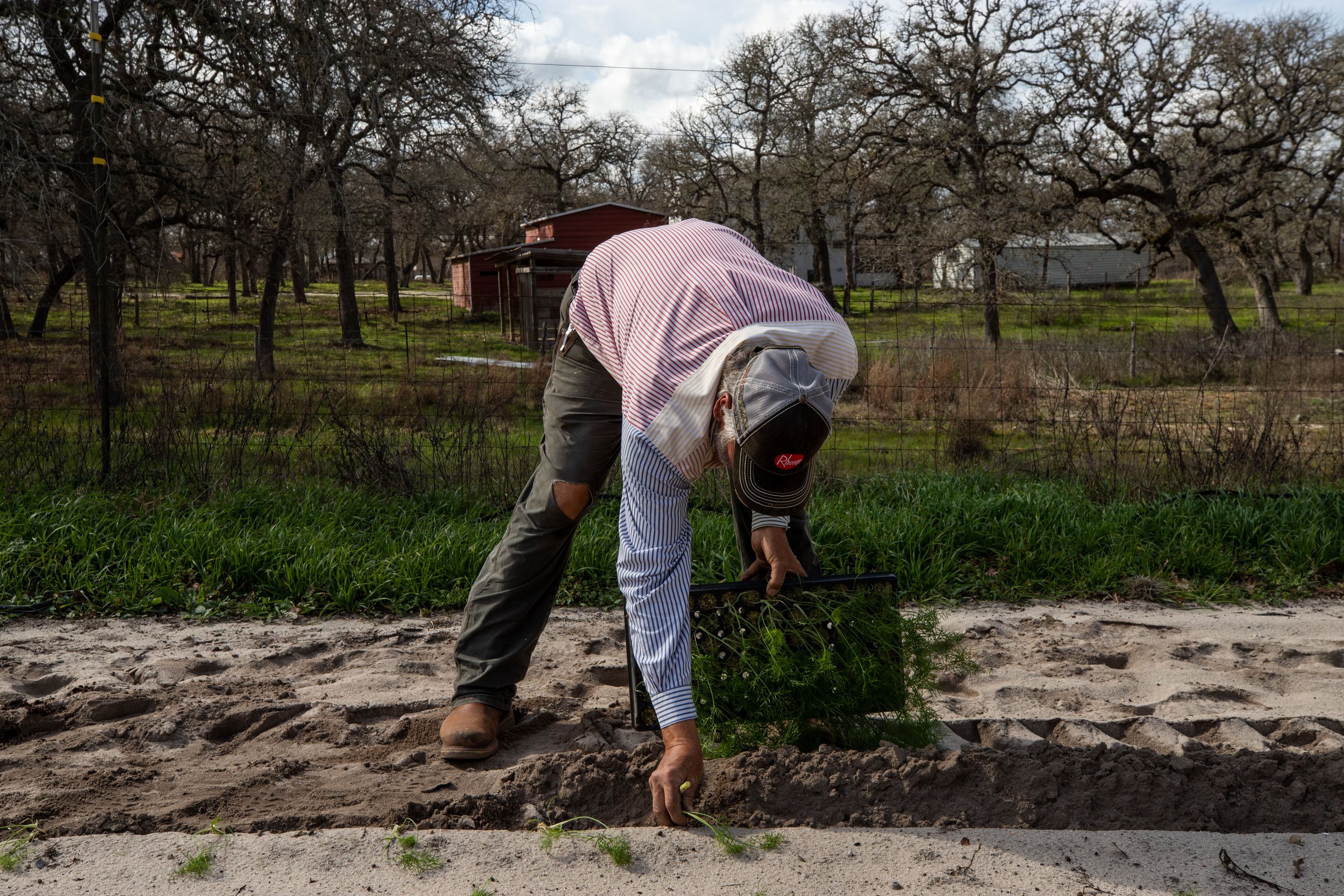
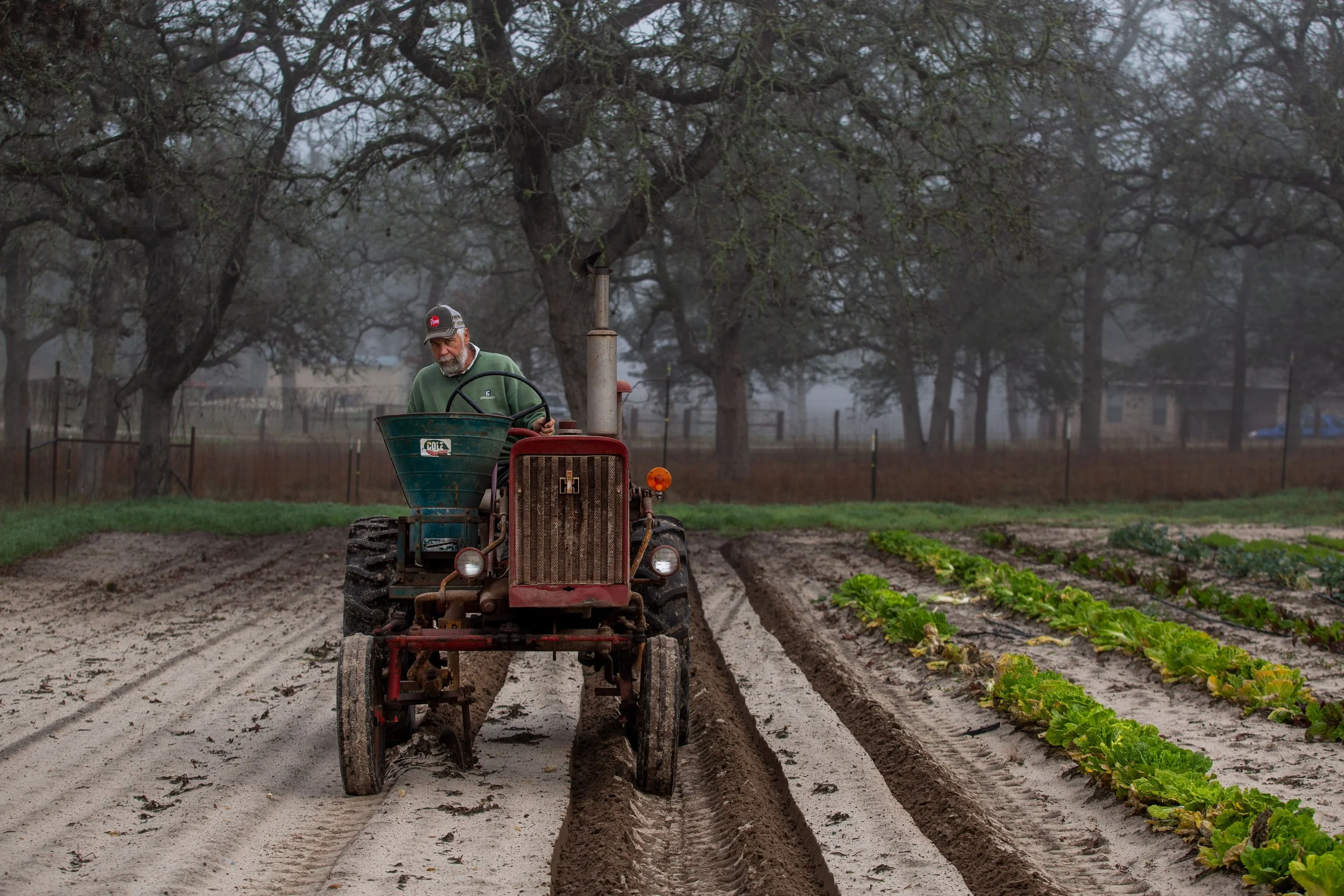

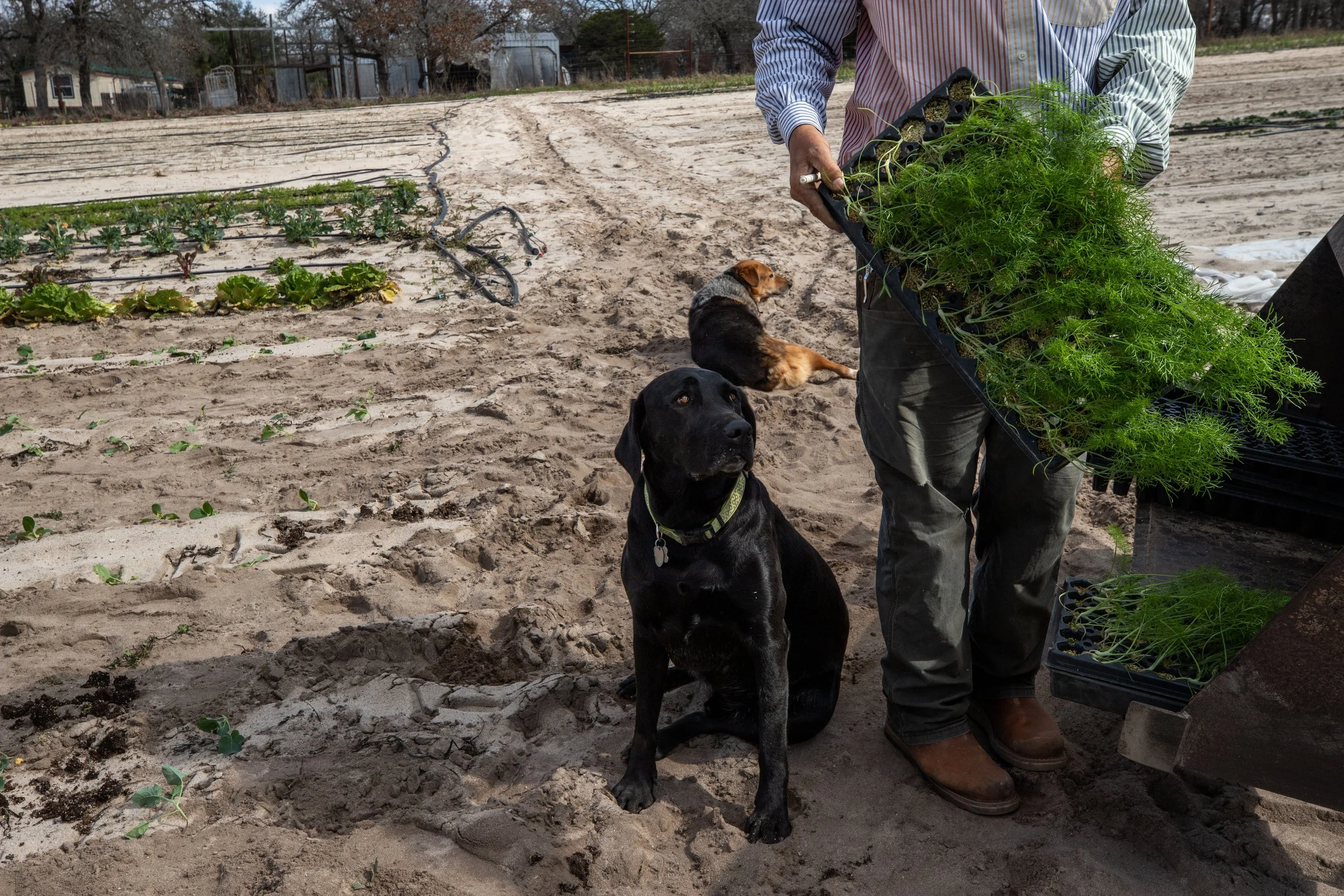
Patches of fog lie between the hills surrounding John Peterson’s family farm on an early February morning. He was already making adjustments to a Farmall Tractor he’d picked up in Kentucky several years ago.
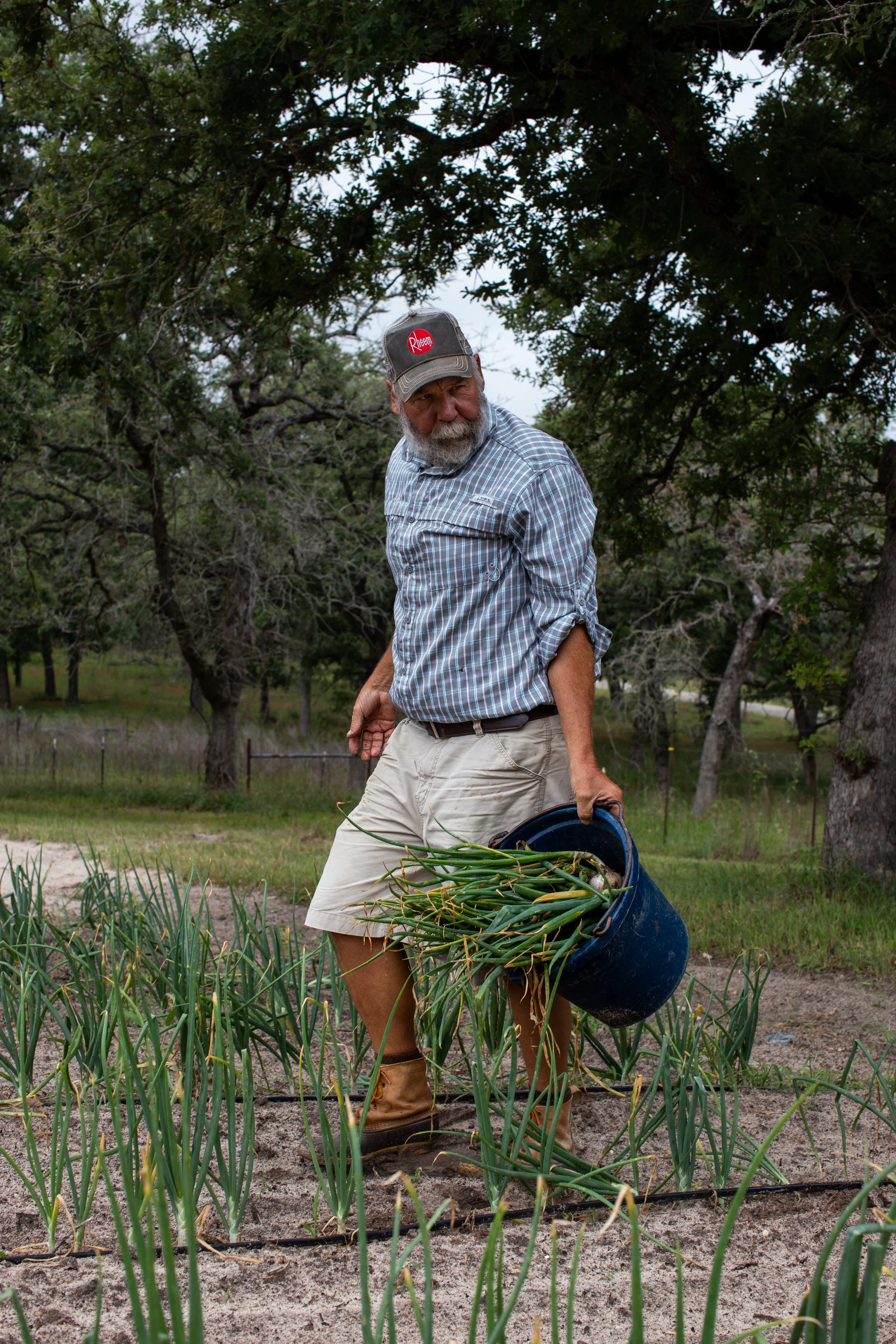
Peterson started offering produce grown in his small plot of sandy soil to local farmer’s markets around Seguin, Texas, in 2008 before expanding to the hard-to-join markets in central San Antonio.
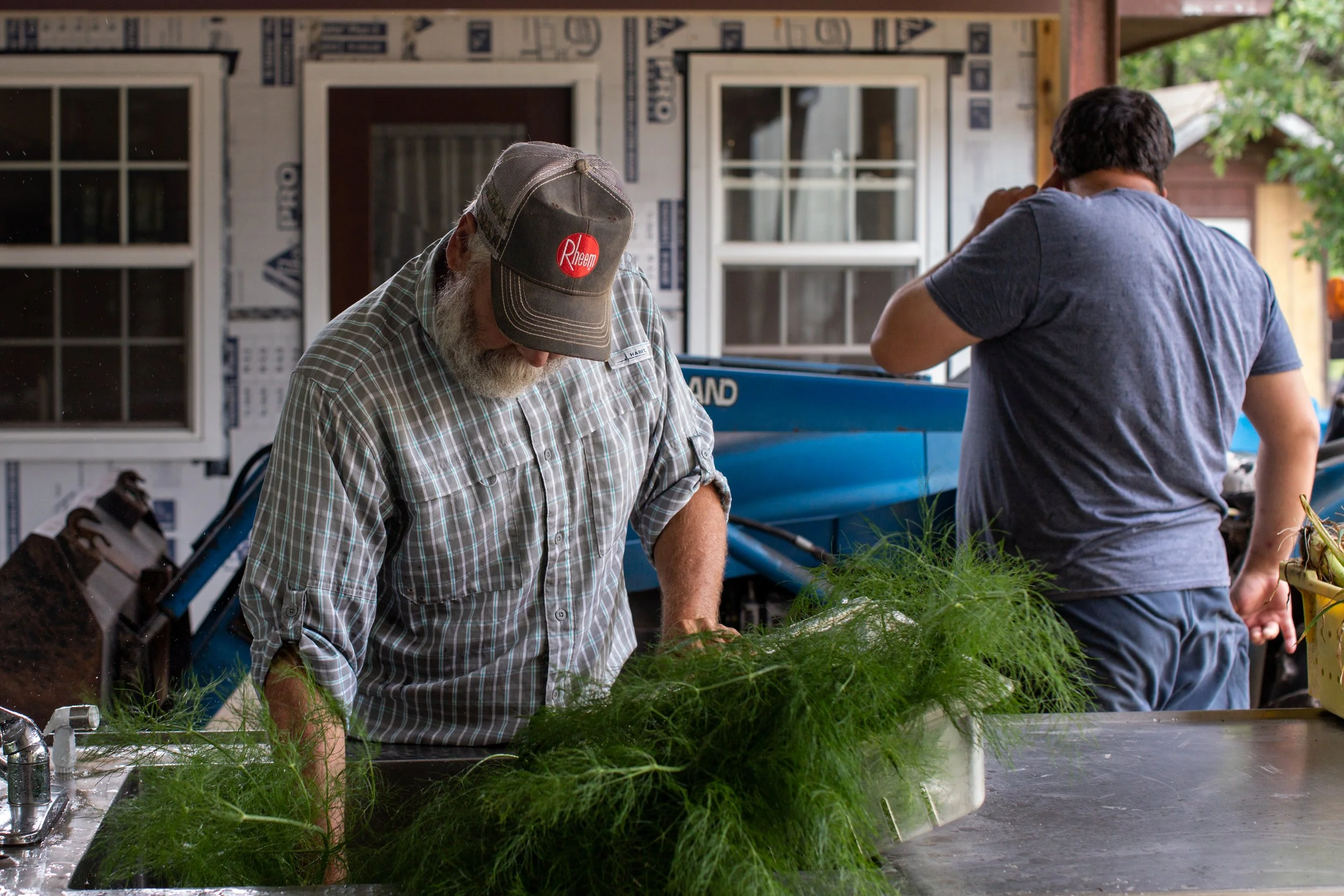
He does most of the work on his couple acre operation alone, though his son Dane assists with the chickens, ducks, and other tasks requiring two-people. Dane doesn’t have plans to take over the operation when John decides to retire.
Peterson grew up in Wausau, Wisconsin, where most households maintained a garden and a few animals to feed their families unlike Texans, where most operations are scaled for production.
An Air Force veteran and former IT contractor for JP Morgan, Peterson now prioritizes his overall life satisfaction over making a profit and loves spending time outdoors with his dogs.
The harsh climate is Peterson’s biggest challenge, with long spells of drought exacerbated by heat and unpredictable winters that may or may not bring a hard freeze.
“People are used to what they buy in the store,” Peterson said when recounting an instance where a woman at the Alamo Quarry market asked what a yellow leaf on a green onion was the week after an unexpected freeze settled on the hill country.
Another customer remarked how small the harvest was compared to weeks past, not realizing Peterson had lost a substantial amount of his crop due to weather.
“People don’t realize that this stuff takes time, the fastest thing is usually like a radish, and that’s still 28-30 days,” Peterson said.
The amount of time to harvest a crop is equally dependent on favorable weather conditions. He’d planted a few rows of radishes before the freeze and their leaves were barely emerging from the sand.